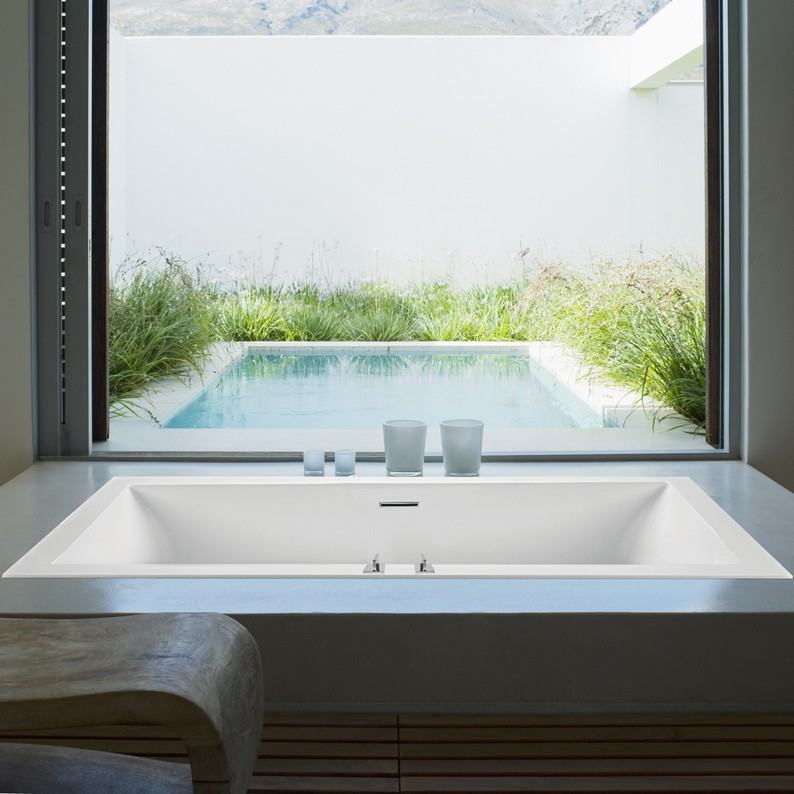
Ultimate Bathtub Buying Guide: How to Choose the Perfect Tub
How to Choose the Perfect BathtubSelecting the right bathtub involves three key decisions: Installation Style (Alcove, Drop-in, Undermount, Corner, or Freestanding), Size (Dimensions that fit your bathroom and your body), and Features (Soaking, Whirlpool, or Air Bath systems). This comprehensive bathtub buying guide will walk you through measuring your space, understanding the pros and cons of each style, and selecting the right material and drain options for your renovation.
Find the Perfect Bathtub Size, Style & Options
Scroll down the page to read through all the tub information or use the links below to learn about size considerations, differences in tub style, or common tub options.Choosing a Bathtub Quick Links:
Bathtub Dimensions & Sizing Guide
When planning for a bath the first worry is the overall size of the tub. Will it fit into the space restraints? Will it fit through the bathroom door? Will it be a comfortable fit?Outside Dimensions
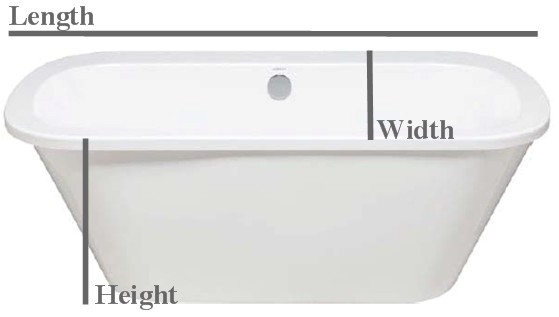
The outside dimensions will let you know if the tub will fit your space and whether it can fit through the door. Remember tubs can be turned sideways to carry it into the bathroom. So the height of the tub needs to fit through the width of the bathroom door.
Tall tubs are great for giving a deep water level on the inside. Shorter ones are great for tub/showers since you are not climbing over a tall rim on a daily basis. When used as a tub/shower we suggest keeping the height around 20".
There is a difference between bathtub height and water height. The bath height is from the bathroom floor to the top of the tub rim - step over height. The water height is from the floor of the tub to the bottom of the overflow - soaking depth.
Common Bathtub Sizes:
• Standard Alcove: 60" x 30" or 60" x 32"
• Mid-Size Upgrade: 66" x 32" or 66" x 36"
• Luxury / Two-Person: 72" x 36" or 72" x 42"
Interior Dimensions (Bathing Well)
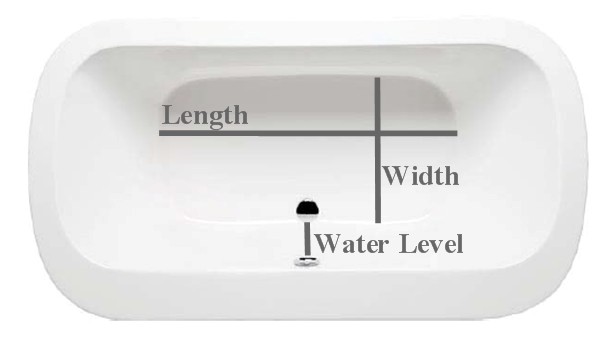
Will You Fit Inside? The "Bathing Well" refers to the actual interior floor space of the tub. Don't judge a tub by its outside dimensions alone! A thick-walled drop-in tub might be 72 inches long but only have a 45-inch bathing well. Always check the technical spec sheet for the "Floor Length" and compare it to your body measurements (seated from tailbone to feet).
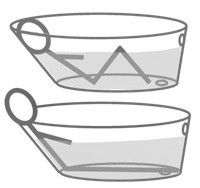
Also think about how you lounge. Do you sit against the back slope or do you slouch? I slouch down into the bathtub, making the length of the bathing well not as important as the width and water depth.
Backrest Angle & Comfort
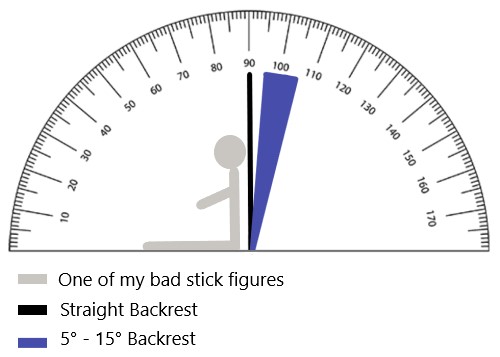
The slope of the backrest determines whether you sit upright or recline.
• Upright (15° - 20°): Best for reading and shorter tubs where you need to maximize legroom.
• Reclined (25° - 35°): Ideal for relaxing, "lounge-style" soaking, but requires the right length tub to prevent sliding down. Your feet need to touch the end of the tub.
Water Capacity vs. Water Heater
A massive tub is useless if you run out of hot water halfway through filling it. The 2/3 Rule: Your water heater tank should be at least 2/3 the size of your bathtub's capacity.
Example: A 100-gallon whirlpool requires at least a 67-gallon water heater.
Big Enough for Two?
A two-person tub will have a center/side drain and two back slants, so bathers can sit face to face. Or it will be a really wide tub, so two can sit side by side, drain will be at one end. There are few tubs that will break these rules. NOTE: just because the tub is designed for two, doesn't mean two can actually fit. Use the technical for the bath to find out the bathing well size and water height. This will let you know if two can truly fit.
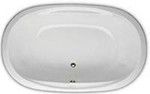
2 Person - Center Drain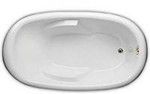
1 Person - End Drain
Compare Bathtub Styles & Installation Types
Which Installation Style is Right for You?Your bathroom's layout typically dictates your installation style. An alcove tub slides between three walls, a drop-in tub requires a built deck, and a freestanding tub stands alone as a focal point. Use the guide below to understand the requirements and benefits of each type.
Alcove (3 Wall)
Designed to fit into a recessed nook with three walls. This is the most common tub style for combining a bath and shower.
Best For: Maximizing floor space and daily showering.
Key Feature: Integral tile flange prevents water leaks.
Read the Full Alcove Tub Guide →
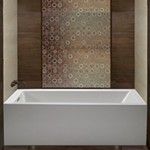
Integral Skirt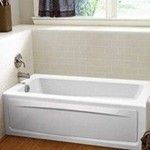
Removable Panel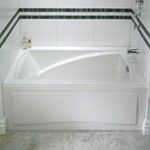
Removable Skirt
A drop-in tub is lowered into a framed "podium" or deck, which is then finished with tile or stone.
Best For: Creating a custom "built-in" look with extra ledge space for toiletries.
Note: Requires a motor access panel if ordering a hydrotherapy system.
Shop Drop-in & Undermount Bathtub by Size →
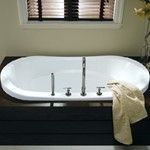
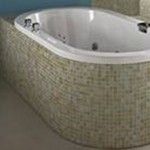
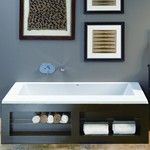
Similar to a drop-in, but the tub is installed under the stone or solid surface deck, hiding the rim completely for a seamless look.
Best For: Modern, minimalist designs and easy deck cleaning.
Note: Needs a flat rim tub and a solid stone/quartz deck (no laminate).
Shop Drop-in & Undermount Bathtub by Size →
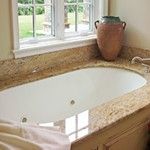
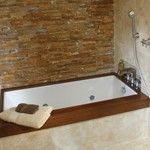
A space-saving shape designed to fit snugly into a 90-degree angle. This category includes distinct shapes that solve specific layout problems.
• Triangle Tubs: The classic corner shape. Great for deep two-person soaking while opening up floor space in the center of the room.
• Skirted Corner Tubs: A rectangular tub with a specialized skirt finished on two sides. Perfect for replacing a standard tub without building a wall.
Shop All Corner Bathtubs →
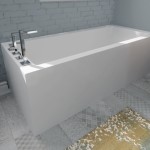
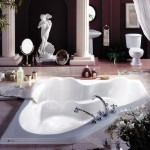
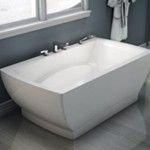
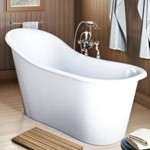
A sculptural tub that stands alone on the bathroom floor, unconnected to any walls.
Best For: Making a dramatic statement in larger master suites.
Note: Plumbing comes from the floor; limited deck space for shampoos/soaps.
How to Choose a Freestanding Bathtub →

Also See:
- Japanese Style
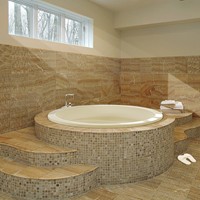
Japanese style tubs are small and deep. - Walk-in Bathtub
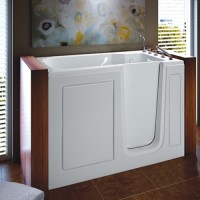
Walk In bathtubs are designed for easy access.
Customizable Bathtub Options & Features
Options do vary between manufacturers. Here are a few of the standard ones:Bathtub Skirting Options
While standard on alcove tubs, skirts are now available for many drop-in and corner models to create a "freestanding" look against a wall.
• Seamless Skirt: The tub and skirt are molded as one piece for a sleek, modern look with no visible seam line.
• Removable Skirt: A separate panel that allows easy access to the motor or plumbing underneath.
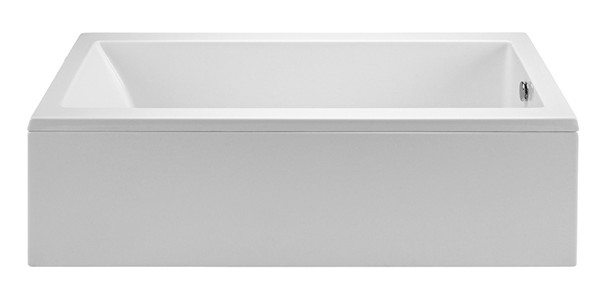
When seamless - there is not a line
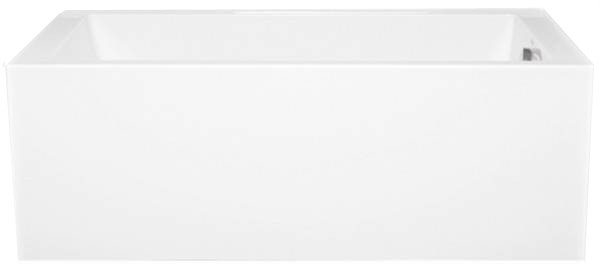
Some manufacturers offer a front and side skirt (shown below), or even skirted on all 4 sides making the bath tub freestanding.
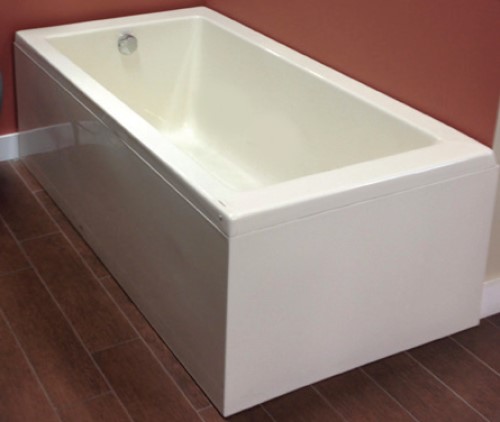
Drain & Overflow Styles
Most bathtubs require a specific waste and overflow kit. Beyond the standard "Lift & Turn," consider these popular upgrades:
• Cable Drive: Turn a dial at the overflow to open/close the drain (no reaching into dirty water).
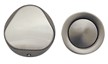
• Toe Tap: Simply press the drain with your foot to open or close it.

• Linear/Slotted Overflow: A sleek, modern slit near the rim that allows for a deeper water level.

Drain Outlet
As new tub styles are designed, new drains have been developed. Drain sizes have not changed, they use 1-1/2" pipe. An average tub will have a round overflow and any drain will work in the tub. The tub drain would connect to the p-trap below the overflow:
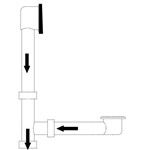
A standard tub drain has the outlet below the overflow pipe. Water drains from the tub to the overflow pipe, then into p-trap.
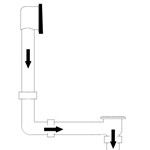
A bathtub with a direct drain allows the p-trap to be attached directly below the tub outlet. Water drains directly from the tub drain to the p-trap
Integral Direct Drain: see Freestanding Bathtub Buying Guide
Rim Height (Profile)
Standard Rim (~1.75"): Classic look, matches standard bullnose tile.
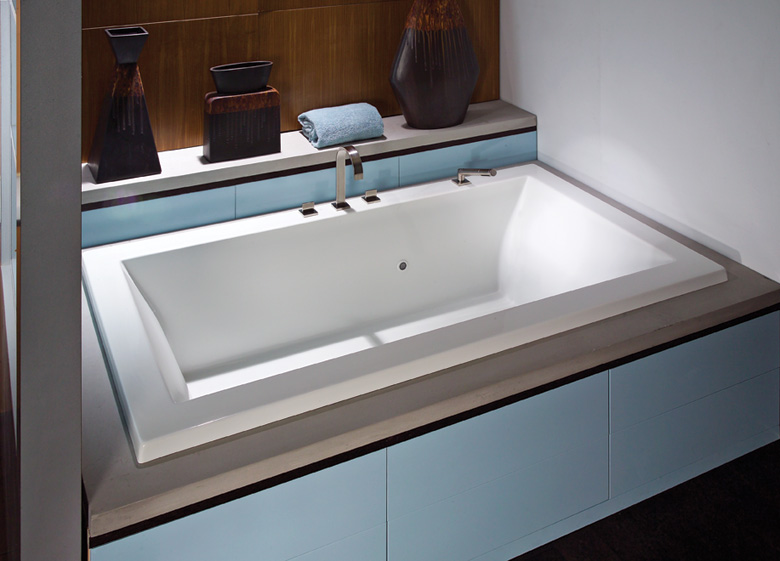
Low Profile / Slim Rim (~0.5"): A minimalist, ultra-thin rim that sits nearly flush with your stone deck for a modern aesthetic.